One Bond Street Home

Category

Commercial Investment

21 articles

Double Frontage, Single Asset: The New Pricing Logic at Bond Street's Crossroads

Double Frontage, Single Asset: The New Pricing Logic at Bond Street's Crossroads

A cluster of junction sites where New Bond Street meets Brook Street, Burlington Gardens and Piccadilly is being priced as a distinct retail asset class. Dual frontage, long sightlines and flexible entrances are now commanding a measurable premium over mid-block comparables — and reshaping how landlords approach reconfiguration, signage and tenant mix in 2026.

The Half-Level Dividend: Why Bond Street Is Re-Measuring Its In-Between Space

The Half-Level Dividend: Why Bond Street Is Re-Measuring Its In-Between Space

Mezzanine and upper-ground space on Bond Street was long treated as ancillary accommodation. In 2026, landlords, valuers and planners are testing whether it can carry full trading status — and full rent. The question is less about floor area than about consent, access and whether the extra selling space creates value or merely moves it around a flagship.

The Membership Anchor: Private Clubs and the Re-pricing of Mayfair's Retail Edges

The Membership Anchor: Private Clubs and the Re-pricing of Mayfair's Retail Edges

Private members' clubs are absorbing upper floors and rear accommodation on and around Bond Street while keeping a street-level frontage as a form of quiet advertising. The shift is altering footfall patterns, lease structures and the planning calculus on Mayfair's side streets — and raising a question few landlords have had to answer before: whether a club can anchor a retail pitch.

The Unseen Frontage: Servicing Capacity and the New Arithmetic of Bond Street Value

The Unseen Frontage: Servicing Capacity and the New Arithmetic of Bond Street Value

Bond Street’s shop windows still command attention, but in 2026 the investment case is increasingly settled at the rear of the building. Delivery windows, waste capacity and returns handling are moving from facilities notes into valuation assumptions, separating resilient prime assets from the merely well located.

Bright Lights, Shared Bills: The Financing Anatomy of Bond Street's Festive Display

Bright Lights, Shared Bills: The Financing Anatomy of Bond Street's Festive Display

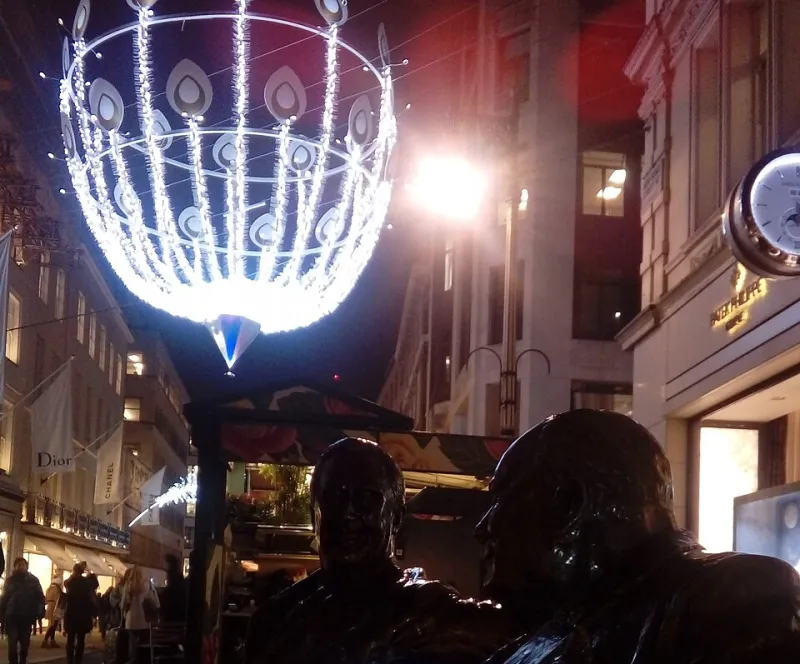
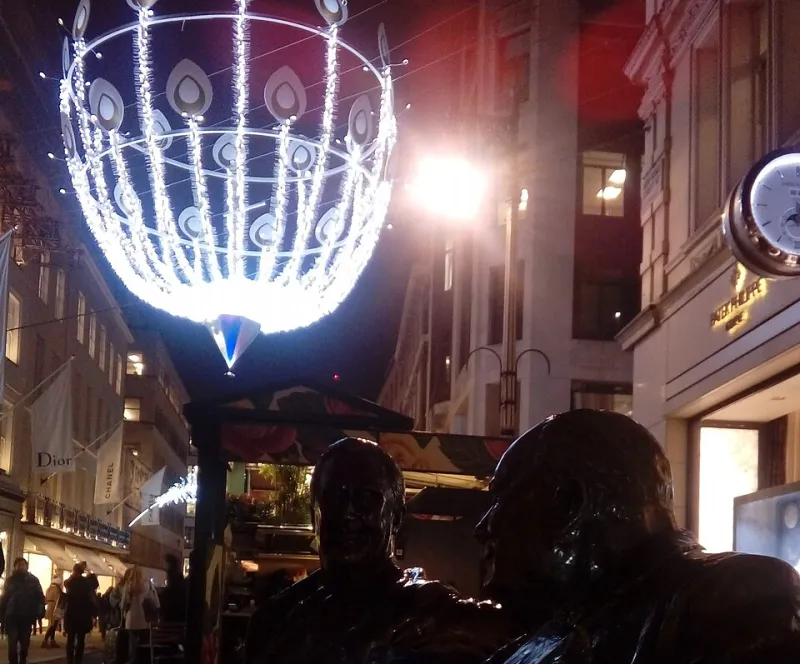
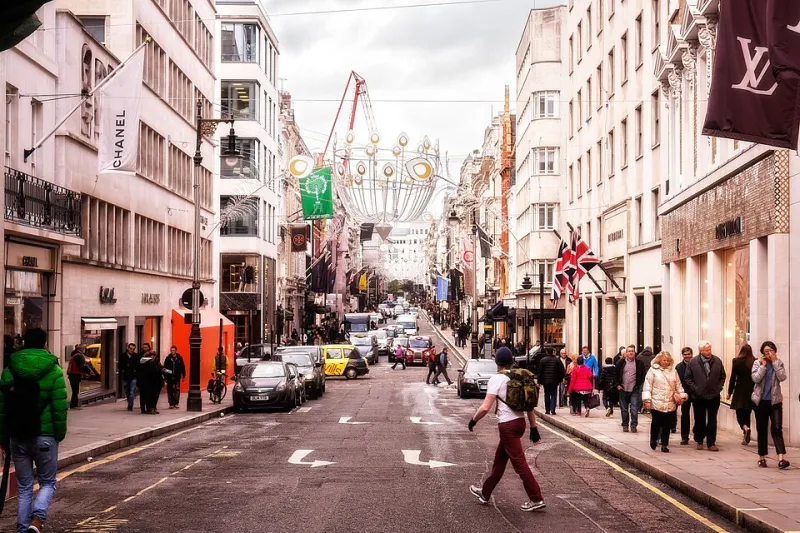
As Bond Street's 2026 Christmas lights switch on, the spectacle appears free to the public but is funded through a layered apparatus of BID levies, landlord contributions and sponsorship. This analysis examines who pays, what retailers and investors receive in return, and whether the annual display remains a sound prime-retail investment or is becoming a costly arms race.

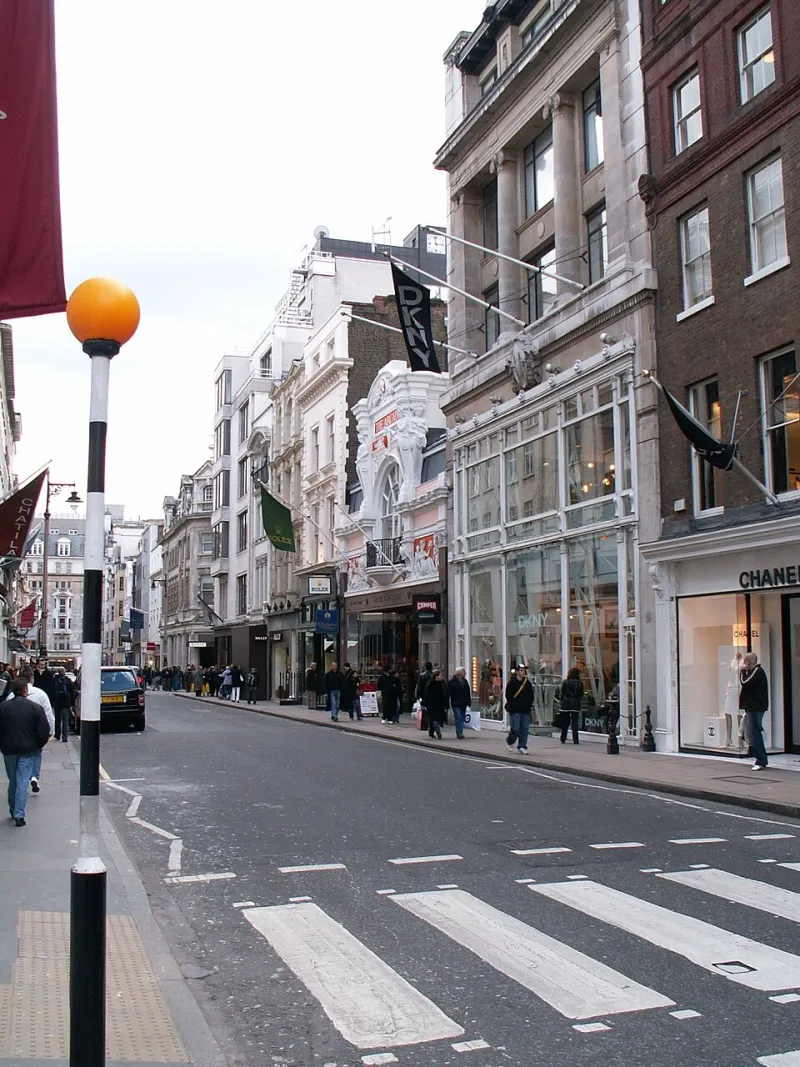
The Last Three Metres: Why Bond Street's Streetscape Now Sets the Rent

The Last Three Metres: Why Bond Street's Streetscape Now Sets the Rent

Landlords have spent a decade polishing shopfronts while the pavement outside has quietly become the more consequential asset. As Westminster, the BID and the great estates square up to a 2026 investment cycle, the quality of Bond Street's public realm is starting to show up in quoting rents, footfall patterns and lease negotiations.

The Rates Reckoning: Bond Street's 2026 Bills Meet the Test of Affordability

The Rates Reckoning: Bond Street's 2026 Bills Meet the Test of Affordability

The April 2026 revaluation has moved from principle to bill. This analysis separates headline rateable values from real affordability, weighs transitional relief and the small-business multiplier, and asks whether Bond Street's flagships, independents and interim occupiers can absorb the new arithmetic.

Storeys of Value: The Planning and Valuation Case for Living Above the Label

Storeys of Value: The Planning and Valuation Case for Living Above the Label

Bond Street's first, second and third floors were once stockrooms and back offices. In 2026 they are being recast as private suites, members' rooms and serviced residences — a vertical expansion that raises awkward questions about planning consent, comparables and whether prestige can be capitalised.

Private Capital’s Quiet Coup: Mapping the New Ownership of Bond Street

Private Capital’s Quiet Coup: Mapping the New Ownership of Bond Street

Ownership of Bond Street is shifting from institutional funds to family offices and private investors. This investigation maps the trend, explains why patient capital is drawn to prime London retail, and assesses the consequences for lease negotiations, asset management and the street's long-term retail mix.